cat a – veva
Nicotinamide Mononucleotide (NMN)
img_Nicotinamide Mononucleotide (NMN)
"Longevity genes" called sirtuins help you live a longer, healthier life by detecting errors and fixing them.  Sirtuins need NAD (nicotinamide adenine dinucleotide) to function.  We lose NAD in the body as we age.  Nicotinamide mononucleotide ("NMN") enhances NAD production, supporting levels usually found only in youth.  In animal studies, NMN has been shown to be a neuroprotective and anti-aging agent.  Multiple human trials are currently underway.  Even at very high doses, no toxicity has been detected.  The recommended dosage is 8mg per kilogram of body weight.

The most significant scientific studies on Nicotinamide Mononucleotide (NMN) are available on our research page.

Resveratrol
img_Resveratrol
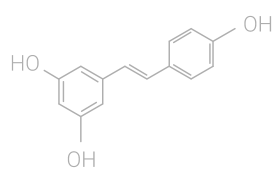
Resveratrol is a polyphenol in red wine (as well as some berries, peanuts, and several other plants).  It has received a lot of attention from researchers over the last decade due to a range of anti-aging properties. Many studies have demonstrated meaningful cardiovascular benefits, improved outcomes for those with  Alzheimer's disease. It also has anticancer properties, antimicrobial effects, skin care benefits (17 times greater antioxidant activity than idebenone) and sirtuin activation, specifically SIRT1 which is employed in  repair of DNA breaks. The most significant scientific studies on resveratrol are available on our research page.

The most significant scientific studies on Resveratrol are available on our research page.

Berberine
img_Berberine
Berberine has been used for thousands of years for its therapeutic effects.  Studies in the last decade have demonstrated promising anti-aging properties through support of healthy blood sugar levels, promotion of cardiovascular health and weight loss.  It appears to work by slowing a metabolic pathway that causes inflammation, and increasing activity of the AMPK enzyme and its downstream targets, including mTOR and SIRT1 (much like the prescription drug metformin).  On average, in studies around the world, stable low blood sugar levels have consistently add five healthy years to the average lifespan.

The most significant scientific studies on Berberine are available on our research page.

Fisetin
img_Fisetin
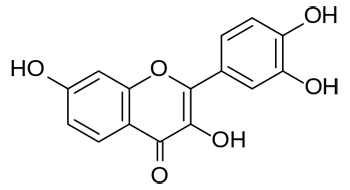
Fisetin is an flavonol found in high concentration in strawberries. Recent research has found fisetin improves quality of life and increases lifespan by as much as 10%. It does this in part by destroying damaged cells know as senescent cells. When we are young the senescent cells are promptly removed but as we grow older our immune systems slow down and they begin to build up. Eventually senescent cells accumulate in the tissues contributing to the chronic inflammation, harming nearby healthy cells and making them also senescent, preventing tissue repair, and facilitating the development of various age-related diseases.

The most significant scientific studies on Fisetin are available on our research page.

Vitamin D
img_Vitamin D
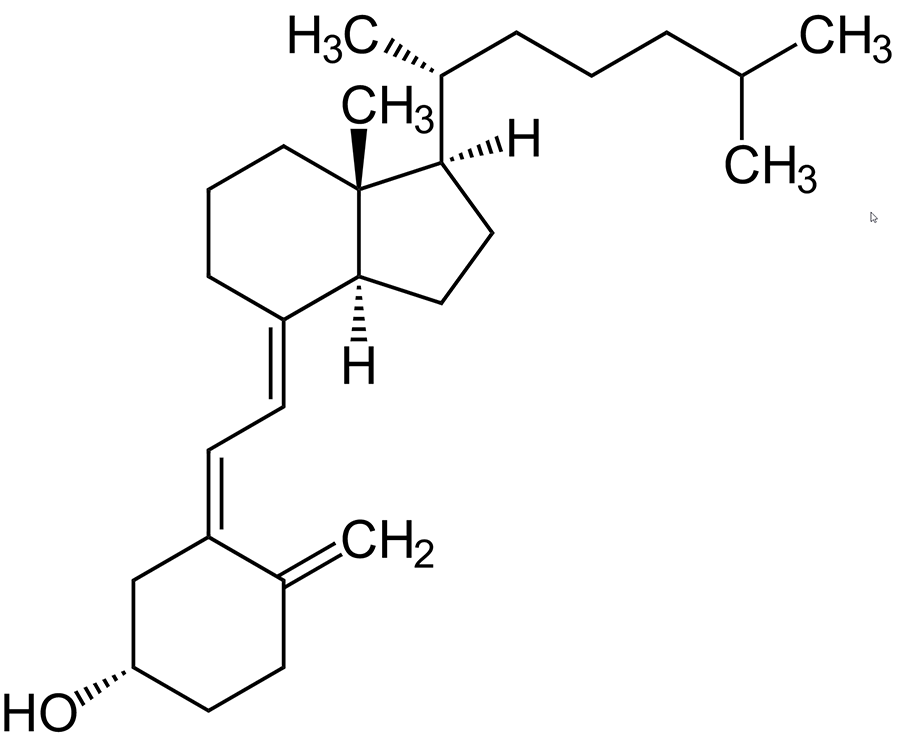
Vitamin D regulates the absorption of calcium and phosphorus, facilitates a normal immune system, promotes cardiovascular health, and supports weight loss.  It also regulates insulin levels which supports diabetes prevention and management. Getting enough vitamin D is important for teeth and bones, preventing osteoporosis and osteomalacia, as well as improved resistance to certain diseases.  It helps reduce risk of multiple sclerosis, lowers the risk of  heart disease and diabetes, and helps to improve immunity to the flu.  Research has shown that vitamin D might also play a significant role in fighting depression.

The most significant scientific studies on Vitamin D are available on our research page.

Vitamin K2

img_Vitamin K2
Vitamin K2 helps regulate blood clotting, bone metabolism, and blood calcium levels.  It helps strengthen bones and teeth and improves heart health by preventing calcification of  arteries.  Recent studies have shown patients with the highest levels of vitamin K2 were 52% less likely to develop artery calcification, showed reduced risk of developing peripheral arterial disease (PAD), and had a 57% lower risk of dying from heart disease.  Vitamin K2 has antioxidant properties that may help protect against cancer and suppress genetic processes that lead to tumor growth.

The most significant scientific studies on Vitamin K2 are available on our research page.

Nicotinamide Mononucleotide (NMN)
img_Nicotinamide Mononucleotide (NMN)
"Longevity genes" called sirtuins help you live a longer, healthier life by detecting errors and fixing them.  Sirtuins need NAD (nicotinamide adenine dinucleotide) to function.  We lose NAD in the body as we age.  Nicotinamide mononucleotide ("NMN") enhances NAD production, supporting levels usually found only in youth.  In animal studies, NMN has been shown to be a neuroprotective and anti-aging agent.  Multiple human trials are currently underway.  Even at very high doses, no toxicity has been detected.  The recommended dosage is 8mg per kilogram of body weight.

The most significant scientific studies on Nicotinamide Mononucleotide (NMN) are available on our research page.

Resveratrol
img_Resveratrol
Resveratrol is a polyphenol in red wine (as well as some berries, peanuts, and several other plants).  It has received a lot of attention from researchers over the last decade due to a range of anti-aging properties. Many studies have demonstrated meaningful cardiovascular benefits, improved outcomes for those with  Alzheimer's disease. It also has anticancer properties, antimicrobial effects, skin care benefits (17 times greater antioxidant activity than idebenone) and sirtuin activation, specifically SIRT1 which is employed in  repair of DNA breaks. The most significant scientific studies on resveratrol are available on our research page.

The most significant scientific studies on Resveratrol are available on our research page.

Berberine
img_Berberine
Berberine has been used for thousands of years for its therapeutic effects.  Studies in the last decade have demonstrated promising anti-aging properties through support of healthy blood sugar levels, promotion of cardiovascular health and weight loss.  It appears to work by slowing a metabolic pathway that causes inflammation, and increasing activity of the AMPK enzyme and its downstream targets, including mTOR and SIRT1 (much like the prescription drug metformin).  On average, in studies around the world, stable low blood sugar levels have consistently add five healthy years to the average lifespan.

The most significant scientific studies on Berberine are available on our research page.

Fisetin
img_Fisetin
Fisetin is an flavonol found in high concentration in strawberries. Recent research has found fisetin improves quality of life and increases lifespan by as much as 10%. It does this in part by destroying damaged cells know as senescent cells. When we are young the senescent cells are promptly removed but as we grow older our immune systems slow down and they begin to build up. Eventually senescent cells accumulate in the tissues contributing to the chronic inflammation, harming nearby healthy cells and making them also senescent, preventing tissue repair, and facilitating the development of various age-related diseases.

The most significant scientific studies on Fisetin are available on our research page.

Vitamin D
img_Vitamin D
Vitamin D regulates the absorption of calcium and phosphorus, facilitates a normal immune system, promotes cardiovascular health, and supports weight loss.  It also regulates insulin levels which supports diabetes prevention and management. Getting enough vitamin D is important for teeth and bones, preventing osteoporosis and osteomalacia, as well as improved resistance to certain diseases.  It helps reduce risk of multiple sclerosis, lowers the risk of  heart disease and diabetes, and helps to improve immunity to the flu.  Research has shown that vitamin D might also play a significant role in fighting depression.

The most significant scientific studies on Vitamin D are available on our research page.

Vitamin K2
img_Vitamin K2
Vitamin K2 helps regulate blood clotting, bone metabolism, and blood calcium levels.  It helps strengthen bones and teeth and improves heart health by preventing calcification of  arteries.  Recent studies have shown patients with the highest levels of vitamin K2 were 52% less likely to develop artery calcification, showed reduced risk of developing peripheral arterial disease (PAD), and had a 57% lower risk of dying from heart disease.  Vitamin K2 has antioxidant properties that may help protect against cancer and suppress genetic processes that lead to tumor growth.

The most significant scientific studies on Vitamin K2 are available on our research page.

Nicotinamide Mononucleotide (NMN)
img_Nicotinamide Mononucleotide (NMN)
"Longevity genes" called sirtuins help you live a longer, healthier life by detecting errors and fixing them.  Sirtuins need NAD (nicotinamide adenine dinucleotide) to function.  We lose NAD in the body as we age.  Nicotinamide mononucleotide ("NMN") enhances NAD production, supporting levels usually found only in youth.  In animal studies, NMN has been shown to be a neuroprotective and anti-aging agent.  Multiple human trials are currently underway.  Even at very high doses, no toxicity has been detected.  The recommended dosage is 8mg per kilogram of body weight.

The most significant scientific studies on Nicotinamide Mononucleotide (NMN) are available on our research page.

Resveratrol
img_Resveratrol
Resveratrol is a polyphenol in red wine (as well as some berries, peanuts, and several other plants).  It has received a lot of attention from researchers over the last decade due to a range of anti-aging properties. Many studies have demonstrated meaningful cardiovascular benefits, improved outcomes for those with  Alzheimer's disease. It also has anticancer properties, antimicrobial effects, skin care benefits (17 times greater antioxidant activity than idebenone) and sirtuin activation, specifically SIRT1 which is employed in  repair of DNA breaks. The most significant scientific studies on resveratrol are available on our research page.

The most significant scientific studies on Resveratrol are available on our research page.

Berberine
img_Berberine
Berberine has been used for thousands of years for its therapeutic effects.  Studies in the last decade have demonstrated promising anti-aging properties through support of healthy blood sugar levels, promotion of cardiovascular health and weight loss.  It appears to work by slowing a metabolic pathway that causes inflammation, and increasing activity of the AMPK enzyme and its downstream targets, including mTOR and SIRT1 (much like the prescription drug metformin).  On average, in studies around the world, stable low blood sugar levels have consistently add five healthy years to the average lifespan.

The most significant scientific studies on Berberine are available on our research page.

Fisetin
img_Fisetin
Fisetin is an flavonol found in high concentration in strawberries. Recent research has found fisetin improves quality of life and increases lifespan by as much as 10%. It does this in part by destroying damaged cells know as senescent cells. When we are young the senescent cells are promptly removed but as we grow older our immune systems slow down and they begin to build up. Eventually senescent cells accumulate in the tissues contributing to the chronic inflammation, harming nearby healthy cells and making them also senescent, preventing tissue repair, and facilitating the development of various age-related diseases.

The most significant scientific studies on Fisetin are available on our research page.

Vitamin D
img_Vitamin D
Vitamin D regulates the absorption of calcium and phosphorus, facilitates a normal immune system, promotes cardiovascular health, and supports weight loss.  It also regulates insulin levels which supports diabetes prevention and management. Getting enough vitamin D is important for teeth and bones, preventing osteoporosis and osteomalacia, as well as improved resistance to certain diseases.  It helps reduce risk of multiple sclerosis, lowers the risk of  heart disease and diabetes, and helps to improve immunity to the flu.  Research has shown that vitamin D might also play a significant role in fighting depression.

The most significant scientific studies on Vitamin D are available on our research page.

Vitamin K2
img_Vitamin K2
Vitamin K2 helps regulate blood clotting, bone metabolism, and blood calcium levels.  It helps strengthen bones and teeth and improves heart health by preventing calcification of  arteries.  Recent studies have shown patients with the highest levels of vitamin K2 were 52% less likely to develop artery calcification, showed reduced risk of developing peripheral arterial disease (PAD), and had a 57% lower risk of dying from heart disease.  Vitamin K2 has antioxidant properties that may help protect against cancer and suppress genetic processes that lead to tumor growth.

The most significant scientific studies on Vitamin K2 are available on our research page.

Nicotinamide Mononucleotide (NMN)
img_Nicotinamide Mononucleotide (NMN)
"Longevity genes" called sirtuins help you live a longer, healthier life by detecting errors and fixing them.  Sirtuins need NAD (nicotinamide adenine dinucleotide) to function.  We lose NAD in the body as we age.  Nicotinamide mononucleotide ("NMN") enhances NAD production, supporting levels usually found only in youth.  In animal studies, NMN has been shown to be a neuroprotective and anti-aging agent.  Multiple human trials are currently underway.  Even at very high doses, no toxicity has been detected.  The recommended dosage is 8mg per kilogram of body weight.

The most significant scientific studies on Nicotinamide Mononucleotide (NMN) are available on our research page.

Resveratrol
img_Resveratrol
Resveratrol is a polyphenol in red wine (as well as some berries, peanuts, and several other plants).  It has received a lot of attention from researchers over the last decade due to a range of anti-aging properties. Many studies have demonstrated meaningful cardiovascular benefits, improved outcomes for those with  Alzheimer's disease. It also has anticancer properties, antimicrobial effects, skin care benefits (17 times greater antioxidant activity than idebenone) and sirtuin activation, specifically SIRT1 which is employed in  repair of DNA breaks. The most significant scientific studies on resveratrol are available on our research page.

The most significant scientific studies on Resveratrol are available on our research page.

Berberine
img_Berberine
Berberine has been used for thousands of years for its therapeutic effects.  Studies in the last decade have demonstrated promising anti-aging properties through support of healthy blood sugar levels, promotion of cardiovascular health and weight loss.  It appears to work by slowing a metabolic pathway that causes inflammation, and increasing activity of the AMPK enzyme and its downstream targets, including mTOR and SIRT1 (much like the prescription drug metformin).  On average, in studies around the world, stable low blood sugar levels have consistently add five healthy years to the average lifespan.

The most significant scientific studies on Berberine are available on our research page.

Fisetin
img_Fisetin
Fisetin is an flavonol found in high concentration in strawberries. Recent research has found fisetin improves quality of life and increases lifespan by as much as 10%. It does this in part by destroying damaged cells know as senescent cells. When we are young the senescent cells are promptly removed but as we grow older our immune systems slow down and they begin to build up. Eventually senescent cells accumulate in the tissues contributing to the chronic inflammation, harming nearby healthy cells and making them also senescent, preventing tissue repair, and facilitating the development of various age-related diseases.

The most significant scientific studies on Fisetin are available on our research page.

Vitamin D
img_Vitamin D
Vitamin D regulates the absorption of calcium and phosphorus, facilitates a normal immune system, promotes cardiovascular health, and supports weight loss.  It also regulates insulin levels which supports diabetes prevention and management. Getting enough vitamin D is important for teeth and bones, preventing osteoporosis and osteomalacia, as well as improved resistance to certain diseases.  It helps reduce risk of multiple sclerosis, lowers the risk of  heart disease and diabetes, and helps to improve immunity to the flu.  Research has shown that vitamin D might also play a significant role in fighting depression.

The most significant scientific studies on Vitamin D are available on our research page.

Vitamin K2
img_Vitamin K2
Vitamin K2 helps regulate blood clotting, bone metabolism, and blood calcium levels.  It helps strengthen bones and teeth and improves heart health by preventing calcification of  arteries.  Recent studies have shown patients with the highest levels of vitamin K2 were 52% less likely to develop artery calcification, showed reduced risk of developing peripheral arterial disease (PAD), and had a 57% lower risk of dying from heart disease.  Vitamin K2 has antioxidant properties that may help protect against cancer and suppress genetic processes that lead to tumor growth.

The most significant scientific studies on Vitamin K2 are available on our research page.

Nicotinamide Mononucleotide (NMN)
img_Nicotinamide Mononucleotide (NMN)
"Longevity genes" called sirtuins help you live a longer, healthier life by detecting errors and fixing them.  Sirtuins need NAD (nicotinamide adenine dinucleotide) to function.  We lose NAD in the body as we age.  Nicotinamide mononucleotide ("NMN") enhances NAD production, supporting levels usually found only in youth.  In animal studies, NMN has been shown to be a neuroprotective and anti-aging agent.  Multiple human trials are currently underway.  Even at very high doses, no toxicity has been detected.  The recommended dosage is 8mg per kilogram of body weight.

The most significant scientific studies on Nicotinamide Mononucleotide (NMN) are available on our research page.

Resveratrol
img_Resveratrol
Resveratrol is a polyphenol in red wine (as well as some berries, peanuts, and several other plants).  It has received a lot of attention from researchers over the last decade due to a range of anti-aging properties. Many studies have demonstrated meaningful cardiovascular benefits, improved outcomes for those with  Alzheimer's disease. It also has anticancer properties, antimicrobial effects, skin care benefits (17 times greater antioxidant activity than idebenone) and sirtuin activation, specifically SIRT1 which is employed in  repair of DNA breaks. The most significant scientific studies on resveratrol are available on our research page.

The most significant scientific studies on Resveratrol are available on our research page.

Berberine
img_Berberine
Berberine has been used for thousands of years for its therapeutic effects.  Studies in the last decade have demonstrated promising anti-aging properties through support of healthy blood sugar levels, promotion of cardiovascular health and weight loss.  It appears to work by slowing a metabolic pathway that causes inflammation, and increasing activity of the AMPK enzyme and its downstream targets, including mTOR and SIRT1 (much like the prescription drug metformin).  On average, in studies around the world, stable low blood sugar levels have consistently add five healthy years to the average lifespan.

The most significant scientific studies on Berberine are available on our research page.

Fisetin
img_Fisetin
Fisetin is an flavonol found in high concentration in strawberries. Recent research has found fisetin improves quality of life and increases lifespan by as much as 10%. It does this in part by destroying damaged cells know as senescent cells. When we are young the senescent cells are promptly removed but as we grow older our immune systems slow down and they begin to build up. Eventually senescent cells accumulate in the tissues contributing to the chronic inflammation, harming nearby healthy cells and making them also senescent, preventing tissue repair, and facilitating the development of various age-related diseases.

The most significant scientific studies on Fisetin are available on our research page.

Vitamin D
img_Vitamin D
Vitamin D regulates the absorption of calcium and phosphorus, facilitates a normal immune system, promotes cardiovascular health, and supports weight loss.  It also regulates insulin levels which supports diabetes prevention and management. Getting enough vitamin D is important for teeth and bones, preventing osteoporosis and osteomalacia, as well as improved resistance to certain diseases.  It helps reduce risk of multiple sclerosis, lowers the risk of  heart disease and diabetes, and helps to improve immunity to the flu.  Research has shown that vitamin D might also play a significant role in fighting depression.

The most significant scientific studies on Vitamin D are available on our research page.

Vitamin K2
img_Vitamin K2
Vitamin K2 helps regulate blood clotting, bone metabolism, and blood calcium levels.  It helps strengthen bones and teeth and improves heart health by preventing calcification of  arteries.  Recent studies have shown patients with the highest levels of vitamin K2 were 52% less likely to develop artery calcification, showed reduced risk of developing peripheral arterial disease (PAD), and had a 57% lower risk of dying from heart disease.  Vitamin K2 has antioxidant properties that may help protect against cancer and suppress genetic processes that lead to tumor growth.

The most significant scientific studies on Vitamin K2 are available on our research page.

Nicotinamide Mononucleotide (NMN)
img_Nicotinamide Mononucleotide (NMN)
"Longevity genes" called sirtuins help you live a longer, healthier life by detecting errors and fixing them.  Sirtuins need NAD (nicotinamide adenine dinucleotide) to function.  We lose NAD in the body as we age.  Nicotinamide mononucleotide ("NMN") enhances NAD production, supporting levels usually found only in youth.  In animal studies, NMN has been shown to be a neuroprotective and anti-aging agent.  Multiple human trials are currently underway.  Even at very high doses, no toxicity has been detected.  The recommended dosage is 8mg per kilogram of body weight.

The most significant scientific studies on Nicotinamide Mononucleotide (NMN) are available on our research page.

Resveratrol
img_Resveratrol
Resveratrol is a polyphenol in red wine (as well as some berries, peanuts, and several other plants).  It has received a lot of attention from researchers over the last decade due to a range of anti-aging properties. Many studies have demonstrated meaningful cardiovascular benefits, improved outcomes for those with  Alzheimer's disease. It also has anticancer properties, antimicrobial effects, skin care benefits (17 times greater antioxidant activity than idebenone) and sirtuin activation, specifically SIRT1 which is employed in  repair of DNA breaks. The most significant scientific studies on resveratrol are available on our research page.

The most significant scientific studies on Resveratrol are available on our research page.

Berberine
img_Berberine
Berberine has been used for thousands of years for its therapeutic effects.  Studies in the last decade have demonstrated promising anti-aging properties through support of healthy blood sugar levels, promotion of cardiovascular health and weight loss.  It appears to work by slowing a metabolic pathway that causes inflammation, and increasing activity of the AMPK enzyme and its downstream targets, including mTOR and SIRT1 (much like the prescription drug metformin).  On average, in studies around the world, stable low blood sugar levels have consistently add five healthy years to the average lifespan.

The most significant scientific studies on Berberine are available on our research page.

Fisetin
img_Fisetin
Fisetin is an flavonol found in high concentration in strawberries. Recent research has found fisetin improves quality of life and increases lifespan by as much as 10%. It does this in part by destroying damaged cells know as senescent cells. When we are young the senescent cells are promptly removed but as we grow older our immune systems slow down and they begin to build up. Eventually senescent cells accumulate in the tissues contributing to the chronic inflammation, harming nearby healthy cells and making them also senescent, preventing tissue repair, and facilitating the development of various age-related diseases.

The most significant scientific studies on Fisetin are available on our research page.

Vitamin D
img_Vitamin D
Vitamin D regulates the absorption of calcium and phosphorus, facilitates a normal immune system, promotes cardiovascular health, and supports weight loss.  It also regulates insulin levels which supports diabetes prevention and management. Getting enough vitamin D is important for teeth and bones, preventing osteoporosis and osteomalacia, as well as improved resistance to certain diseases.  It helps reduce risk of multiple sclerosis, lowers the risk of  heart disease and diabetes, and helps to improve immunity to the flu.  Research has shown that vitamin D might also play a significant role in fighting depression.

The most significant scientific studies on Vitamin D are available on our research page.

Vitamin K2
img_Vitamin K2
Vitamin K2 helps regulate blood clotting, bone metabolism, and blood calcium levels.  It helps strengthen bones and teeth and improves heart health by preventing calcification of  arteries.  Recent studies have shown patients with the highest levels of vitamin K2 were 52% less likely to develop artery calcification, showed reduced risk of developing peripheral arterial disease (PAD), and had a 57% lower risk of dying from heart disease.  Vitamin K2 has antioxidant properties that may help protect against cancer and suppress genetic processes that lead to tumor growth.

The most significant scientific studies on Vitamin K2 are available on our research page.